
Submit the form below and one of our estimators will get back to you shortly.
*We respect your privacy and will not share your information.
Asphalt Maintenance That Extends the Life of Your Pavement
Asphalt doesn’t fail all at once. It starts with small cracks and a surface that’s losing its dark color, and if nothing addresses that early, water works its way in and the damage compounds from there. Asphalt maintenance is the work that happens before a crack becomes a pothole, protecting pavement that’s still in good shape so it stays that way for years longer.
Gentry’s Paving Group has been sealcoating and crack filling driveways, parking lots, and roadways across the Dallas-Fort Worth metroplex since 1988. Our maintenance work is separate from repairs, since maintenance is about protecting pavement before it fails, not fixing damage that’s already there.
Ready to protect your pavement? Call (972) 792-0000 or fill out our contact form to get started.
What Asphalt Maintenance Involves
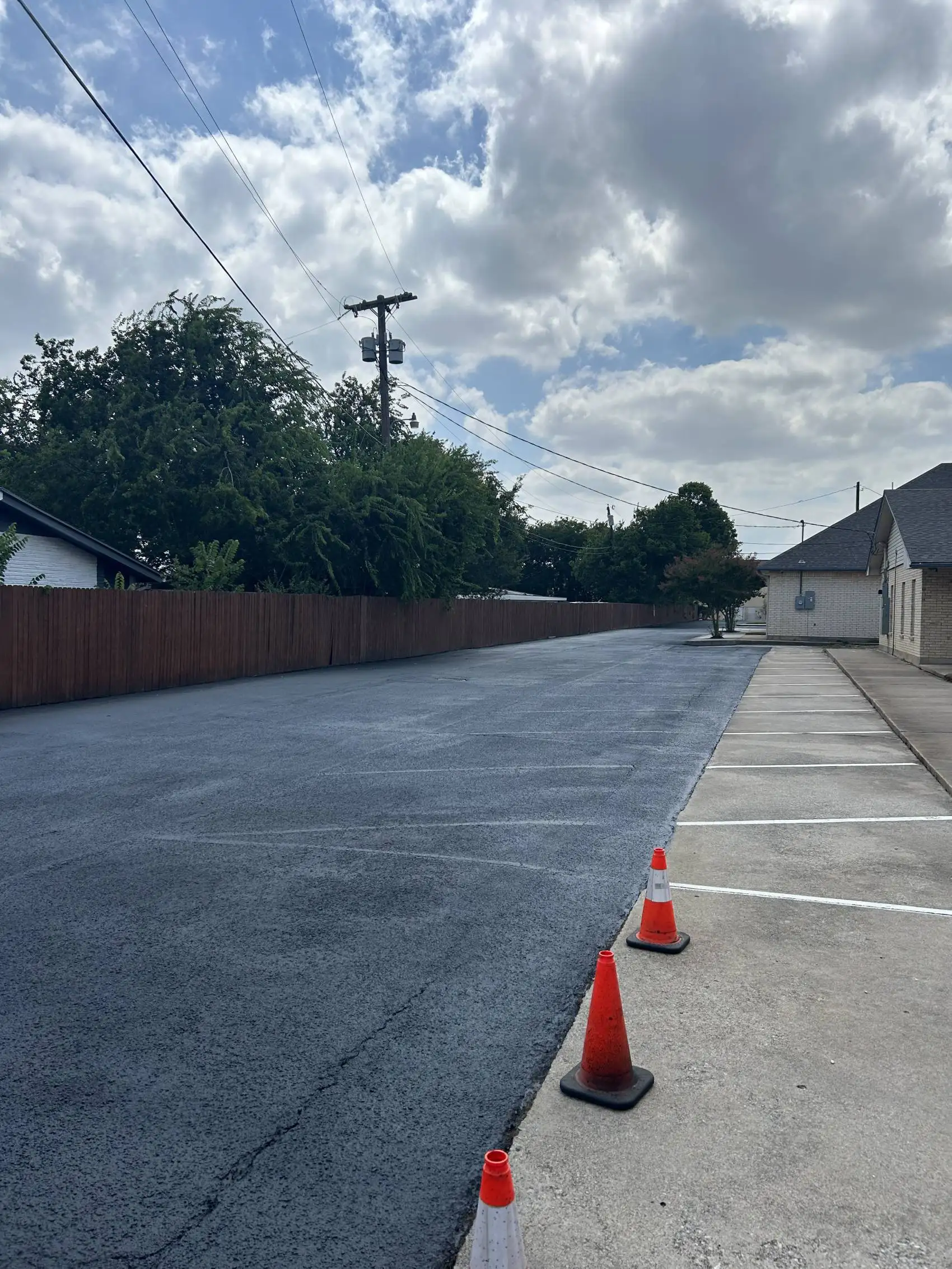
Asphalt maintenance covers sealcoating and crack filling, the two services that protect existing pavement from the elements and extend its lifespan. This is different from asphalt repairs, which fix damage that’s already occurred, and different from milling and paving, which restores a surface that’s already worn down. Maintenance is preventive. It’s the work you do to pavement that’s still structurally sound, so it stays that way.
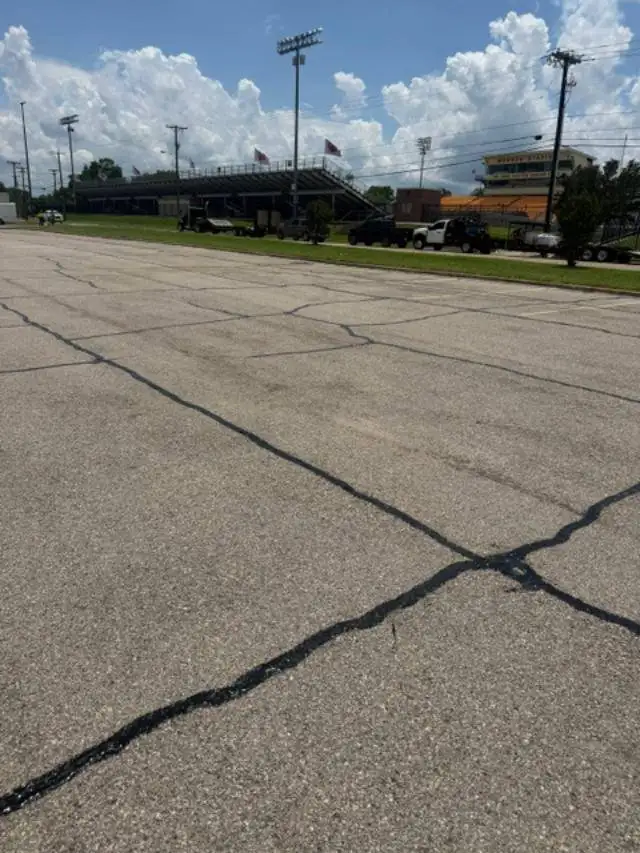
Crack filling addresses the entry point water uses to reach the base of your pavement. A crack that’s left open widens over time as water gets in and expands the damage, especially through repeated wet and dry cycles. Sealing that crack early keeps water out and stops small damage from spreading.
Sealcoating protects the asphalt surface itself. Asphalt binder breaks down over time from UV exposure and oxidation, which is what makes older pavement look faded and feel rougher underfoot. A sealcoat replenishes that protective layer, shielding the surface from sun and water exposure and keeping the asphalt flexible instead of brittle.
Both services depend heavily on preparation. Cracks need to be cleaned and filled before sealcoating happens, not after, and the whole surface needs to be clean and dry before either product goes down. Skipping that prep is the most common reason a sealcoat job fails within months instead of lasting for years.
What’s Included in Asphalt Maintenance
- Crack filling. Cleaning and sealing cracks to stop water from reaching the base underneath.
- Sealcoating. Applying a protective coating over the asphalt surface to shield it from UV exposure and water damage.
- Surface cleaning and prep. Removing dirt, debris, and vegetation before any maintenance product goes down.
- Oil stain treatment. Addressing oil and grease spots that prevent sealcoat from bonding properly.
- Maintenance scheduling. Advising property owners on the right timing and frequency for their specific pavement.
If your pavement has potholes or structural damage rather than surface wear, that’s addressed under our Asphalt Repairs service.
Our Process
- Surface inspection. We assess the condition of the pavement, checking for cracks, oil stains, and general wear, and confirm the surface is structurally sound enough for maintenance rather than repair.
- Cleaning. We clear loose dirt, debris, and vegetation from the surface and cracks. Sealcoat and crack filler won’t bond to a dirty surface, so this step gets done thoroughly before anything else.
- Oil stain treatment. We treat any oil or grease spots on the surface, since these spots prevent sealcoat from adhering properly if left untreated.
- Crack filling. We fill cracks with the appropriate filler for their size and let them cure fully before moving to the next step. Sealcoat isn’t a substitute for crack filler. It covers cracks cosmetically, but crack filler is what actually stops water from getting underneath the surface.
- Cure time. We allow filled cracks to cure before sealcoating, since sealing over uncured crack filler traps moisture and leads to bubbling or premature failure.
- Sealcoat application. We apply the sealcoat evenly across the surface, timed for warm, dry weather so it cures properly instead of washing out or failing to bond.
- Cure and reopening. We let the finished surface cure fully before it’s reopened to traffic, so the sealcoat has time to set without being disturbed.
Warning Signs You Need Asphalt Maintenance
- A surface that’s fading from black to gray. This is one of the clearest signs the asphalt binder is oxidizing and losing its protective quality.
- Small hairline cracks appearing across the surface. Cracks this size are still cheap and easy to seal, but they won’t stay small if left alone.
- A rough, dry-looking surface texture. Asphalt that’s lost its smooth finish is showing early signs of surface deterioration.
- Water sitting in cracks after rain. This is a direct sign that water is finding its way into the pavement instead of running off.
- It’s been several years since your last sealcoat. Pavement that hasn’t been maintained in a while is due for an inspection, even if it doesn’t show obvious damage yet.
When and How Often
Sealcoating and crack filling need warm, dry conditions to cure properly, which makes them most effective during our ten-month asphalt season rather than the winter months when Texas plants close for chip and seal work. New asphalt needs time to cure before its first sealcoat, generally several months at minimum, so a freshly paved driveway or lot shouldn’t be sealed right away. After that, most pavement benefits from resealing on a multi-year cycle, with crack filling addressed as needed in between, rather than waiting until visible damage shows up. Staying ahead of that schedule is what keeps maintenance cheap and repairs rare.
Why Choose Gentry’s Paving Group for Asphalt Maintenance
Maintenance is the part of pavement care that’s easy to put off, since nothing looks urgently wrong until it suddenly is. We treat sealcoating and crack filling as a scheduling relationship, not a one-time transaction: once we’ve worked on a property, we’re in a position to flag when it’s actually time for another round, instead of waiting for a homeowner or property manager to notice fading or cracking on their own.
That mindset goes back to how James Gentry built this company since 1988: on being the contractor people call for the small stuff, not just the big rebuild. We won’t sealcoat over a surface that actually needs repair first, because covering a problem instead of fixing it just costs more down the line, for you and for the relationship.
Where We Offer Asphalt Maintenance
Because maintenance works on a recurring schedule rather than a single project, we service properties consistently across our entire area rather than concentrating in any one spot, covering Rockwall, Forney, Terrell, Mesquite, Garland, Rowlett, Wylie, Sunnyvale, Kaufman, Royse City, and Greenville, and everywhere else within our standard radius around Heath, Texas. If you’re due for sealcoating or noticing early cracking, reach out and we’ll get you on the schedule before it becomes a repair instead of maintenance.
FAQ
How often should asphalt be sealcoated?
Most pavement benefits from resealing every few years, though the right interval depends on traffic, sun exposure, and how the surface has held up since the last application. We can give you a specific recommendation after inspecting your pavement.
How long after paving can you sealcoat?
New asphalt needs time to cure before it’s ready for its first sealcoat, generally a period of months rather than weeks. Sealing too early can trap moisture in asphalt that hasn’t fully cured yet, which causes more harm than good.
Is crack filling the same thing as sealcoating?
No. Crack filling addresses individual cracks and stops water from getting underneath the surface. Sealcoating protects the entire surface from UV exposure and general wear. They work together, but they’re not interchangeable, and crack filling always happens first.
Can you sealcoat over existing damage instead of repairing it first?
No, not effectively. Sealcoat is a protective coating, not a structural fix. If your pavement has potholes or significant cracking, that needs to be repaired first under our Asphalt Repairs service before maintenance will do any good.
What affects the cost of asphalt maintenance?
Cost factors include the size of the surface, how much crack filling is needed before sealcoating, and the current condition of the pavement. We provide a specific quote after our inspection.
Do you offer maintenance for both residential and commercial properties?
Yes, we provide sealcoating and crack filling for driveways, parking lots, and roadways for both residential and commercial clients.
Ready to Protect Your Pavement?
Whether it’s time for your regular sealcoat or you’ve noticed cracks that need attention, Gentry’s Paving Group is ready to help. Call (972) 792-0000 or fill out our contact form to schedule an inspection.
Gentry’s Paving Group | 457 Laurence Drive, Suite 404, Heath, TX 75126 | (972) 792-0000