The last week of August is when a retail plaza off I-30 or a school-adjacent business park goes from quiet to chaotic in about four days. Parents doing drop-off loops, delivery trucks restocking for fall inventory, and a parking lot that has spent all summer baking under Texas heat with nobody looking closely at it. That combination is exactly when a small pothole near the entrance turns into a liability claim, and it is why the property managers who call us in early August almost always come out ahead of the ones who call in October after something has already gone wrong.
In this article:
- Why back-to-school week is the real stress test for your lot
- The fall parking lot checklist DFW property managers actually need
- The one maintenance step most businesses skip, and why it costs more later
- How commercial lots differ from a driveway when it comes to fall prep
- What to schedule now versus what can wait until Chip and Seal season
Why Back-to-School Week Is the Real Stress Test for Your Lot
Every commercial lot in the DFW area takes a hit over the summer, but most owners do not notice until traffic volume jumps back up in the fall. Heat softens asphalt binder just enough that a lot with existing weak spots starts showing them the moment traffic returns to a normal pace. Add in the stop-and-go pattern of school pickup lines, delivery schedules ramping back up, and shopping traffic increasing as families settle back into routines, and a parking lot that looked fine in July can reveal cracks, faded striping areas, and drainage problems within a couple of weeks in September.

The Fall Parking Lot Checklist DFW Property Managers Actually Need
This is the walkthrough we recommend before traffic ramps up, whether you manage a single retail lot or a portfolio of properties across the metroplex:
- Walk the full lot perimeter and drive lanes looking for cracking, not just potholes. Cracks are cheaper to fill now than they are to patch once water works its way underneath over fall and winter.
- Check catch basins and drainage inlets for debris buildup from summer storms. A clogged basin during a heavy fall rain is one of the most common causes of standing water that eats away at pavement edges.
- Look at high-traffic zones separately from the rest of the lot. Entrances, drive-through lanes, and areas near loading docks wear faster and often need attention before the rest of the surface does.
- Note any soft or slightly sunken spots, especially near curb lines or where landscaping irrigation runs close to the pavement. Soft spots usually mean a base issue, not just a surface one.
- Confirm that existing sealcoating has not worn thin in the areas that see the most sun and traffic, since a thinned coat offers a lot less protection heading into fall and winter moisture.
The One Maintenance Step Most Businesses Skip, and Why It Costs More Later
As James Gentry puts it, the biggest mistake commercial property owners make is treating sealcoating and crack filling as a cosmetic step instead of the thing that actually determines how long the asphalt underneath lasts. Most businesses will patch an obvious pothole because it is visible and a liability concern, but they will walk right past a network of hairline cracks because nothing looks broken yet. Those cracks are exactly where fall and winter moisture gets in, and by spring they are potholes.
Scheduling crack filling and sealcoating in early fall, before the first real cold front and before winter moisture has a chance to work into every gap, is one of the more cost-effective moves a property manager can make. It is also one of the easiest to postpone indefinitely, which is exactly why so many DFW commercial lots end up needing a full section repair a year or two later that a fall maintenance pass would have prevented.
How Commercial Lots Differ From a Driveway When It Comes to Fall Prep
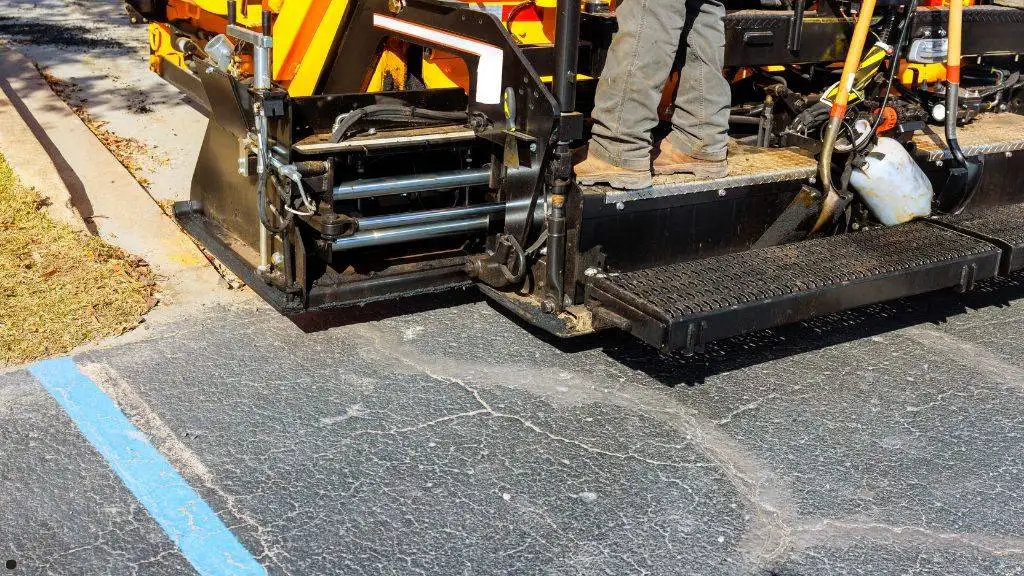
A homeowner checking a driveway before fall is looking for the same general issues, but the stakes and the scale are different on a commercial lot. Retail and business parking lots carry constant vehicle weight, delivery truck traffic, and in a lot of DFW plazas, a steady flow of pedestrian traffic crossing painted lanes and curb cuts. That means:
- Base failure under a commercial lot affects a much larger area and a much higher number of vehicles per day than a single residential driveway ever will
- Drainage design matters more, since a commercial lot has to move water off a larger paved surface without creating pooling near entrances or accessible parking spaces
- Because commercial jobs are measured and estimated by satellite, property managers overseeing multiple locations across the metroplex can get an accurate view of every lot’s condition without waiting on a separate site visit for each one
That last point matters more than people realize during a busy fall season. A property manager juggling several DFW locations does not always have time to walk every lot in person before deciding what needs attention first, and satellite-based measurement gives an accurate starting point before crews ever show up.
What to Schedule Now Versus What Can Wait Until Chip and Seal Season
Not every fix needs to happen this month. Crack filling, sealcoating, catch basin cleanouts, and pothole patching are all fall-appropriate work that protects the lot heading into cooler, wetter months. Larger paving projects, like a full lot resurfacing or a new commercial paving job, are also still very doable in fall, since North Texas typically holds a wide paving window well past back-to-school season.
What tends to wait is Chip and Seal, Tar and Chip, or Armour Coat work, since that is the service GPG runs heaviest in January and February, when traditional asphalt plants close for the season. If a property is a candidate for that kind of surface treatment rather than full asphalt paving, fall is still a good time to get on the schedule, even if the actual work lands in the winter window.
Requesting a walkthrough now, before the parking lot is under full fall traffic, gives a property manager time to prioritize what actually needs attention this season versus what can be planned for later without turning into an emergency call in November.
Request Your Commercial Parking Lot Walkthrough
Call Gentry’s Paving Group at 214-460-1399 to schedule a fall maintenance walkthrough for your DFW commercial property before back-to-school traffic hits full stride.