
A homeowner in Heath called us in the middle of July, ready to cancel a driveway job she had booked back in April. Her neighbor told her that pouring hot asphalt on a hundred degree day was asking for trouble, that the mix would never cure right and the whole driveway would be soft and wavy by August. She was not wrong to ask the question. She was wrong about the answer.
- Why Texas summer heat actually works in asphalt’s favor
- The real risk isn’t the new asphalt, it’s what’s already in the ground
- How our crews adjust for a hundred degree job site
- Warning signs your existing driveway or lot is already struggling with the heat
- The best time of day and year to schedule paving in Heath and Rockwall
- What homeowners in Heath and Rockwall should do before fall arrives
Why Texas Summer Heat Actually Works in Asphalt’s Favor
Here is the part that surprises most homeowners: warm weather is when hot mix asphalt compacts best, not worst. Asphalt needs heat to stay workable long enough for a roller to achieve proper density. On a cold January afternoon, the mix starts losing temperature the second it leaves the truck, and crews are racing the clock before it stiffens up and stops compacting the way it should. On a July afternoon in Heath or Rockwall, that window stays open longer, which gives our crews more control over the finish and the density of the base course underneath.
That does not mean summer paving has no risks. It means the risks are different from what most people assume, and they have almost nothing to do with the new asphalt itself.
The Real Risk Isn’t the New Asphalt, It’s What’s Already in the Ground
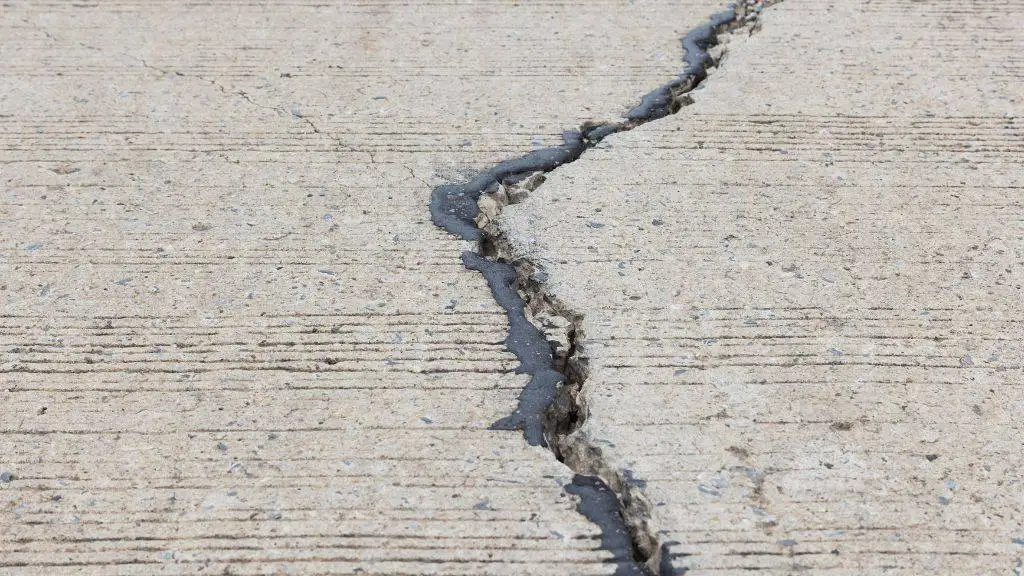
The pavement most likely to show damage in a Heath or Rockwall summer is not the driveway we just poured. It is the driveway that has been sitting there for ten years on top of Blackland Prairie clay. That clay expands when it is saturated after spring rain and shrinks hard once the summer heat sets in and the moisture disappears. As the ground pulls away from the edges of the pavement, you get the widening cracks and edge separation that homeowners notice every July and August, not because the asphalt failed, but because the soil underneath it moved.
As James Gentry puts it, most of the calls we get in the middle of summer are not about new paving jobs, they are about cracks that opened up over the winter and spring and finally became impossible to ignore once the heat dried everything out. The asphalt is not falling apart. The ground shifted, and the crack is just where it showed up first.
This is exactly why a driveway that looked fine in April can suddenly look neglected by August, and it is also why sealcoating and crack filling earlier in the season matter more in Heath and Rockwall than in regions without this kind of reactive clay.
How Our Crews Adjust for a Hundred Degree Job Site
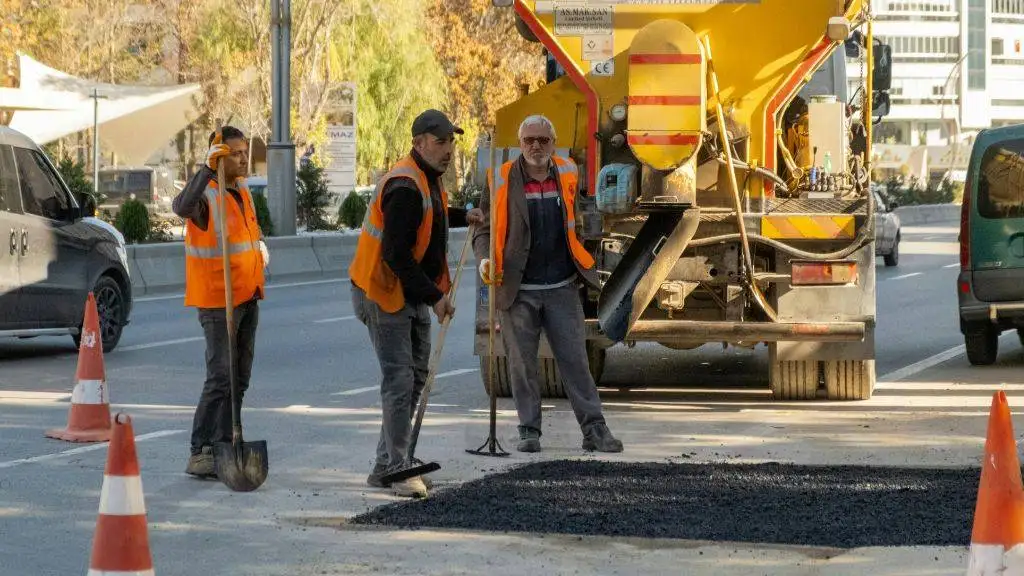
Paving in summer heat is not the same process as paving in October, and treating it that way is where problems start. A few of the adjustments our crews make on a hot Heath or Rockwall job site:
- Scheduling the actual paving and rolling for early morning hours, before surface temperatures peak, so the mix has a controlled compaction window instead of one that closes too fast
- Watching mix temperature at delivery more closely, since a truck sitting in July sun can lose or hold heat differently than the same truck in cooler months
- Adjusting roller passes and pattern so the surface does not get pushed around by equipment before it has set enough to hold its shape
- Keeping fresh pavement closed to traffic longer when ambient heat is extreme, since asphalt that looks solid on top can still be soft enough underneath to rut under a parked car or delivery truck
None of this is guesswork. It is the same base compaction and drainage grading work we would do on any driveway or parking lot, adjusted for the fact that Texas heat changes the timeline, not the outcome.
Warning Signs Your Existing Driveway or Lot Is Already Struggling With the Heat
Before you worry about new paving in the heat, it is worth checking whether your current pavement is already showing the signs of a rough summer. Look for:
- Cracks along the edges of the driveway or lot that seem to widen every July and August, then partially close again in cooler months
- Small gaps between the pavement and a garage slab, sidewalk, or curb that were not there earlier in the year
- Standing water in the same low spot after every summer storm, which points to a grade issue rather than something the heat caused directly
- A section of asphalt that feels noticeably softer or more flexible underfoot than the rest of the surface, especially in mid-afternoon
Any one of these on its own is usually manageable. Several at once, especially on a driveway that has not been resealed in years, is a sign the base underneath needs attention before it turns into a full replacement.
The Best Time of Day and Year to Schedule Paving in Heath and Rockwall
There is no month in North Texas where paving simply cannot happen, but there is a smarter way to schedule it. Early morning starts in summer give crews the longest usable window before the surface temperature climbs into the range that shortens compaction time. Late summer into early fall, once the most extreme heat has passed but before the Chip & Seal season shuts asphalt plants down in January and February, tends to give homeowners in Heath and Rockwall the most flexibility on scheduling and the most predictable curing conditions.
If a driveway or parking lot is already showing the edge cracking or soft spots described above, addressing it with sealcoating and crack filling before the worst of the summer heat sets in is almost always cheaper and less disruptive than waiting until the damage forces a full section replacement.
What Homeowners in Heath and Rockwall Should Do Before Fall Arrives
Summer heat in North Texas is not a reason to delay a paving project, and it is not the villain most homeowners assume it to be. The real work is making sure whoever is running the job understands how Blackland Prairie clay behaves under a Heath or Rockwall summer, and adjusts the schedule and process accordingly instead of treating every month the same way.
If you have noticed new cracking along your driveway edges this summer, or you have been holding off on a paving project because someone told you it was too hot, now is the right time to get an honest, on-site look at what is actually happening with your pavement.
Request Your On-Site Estimate
Call Gentry’s Paving Group to schedule your driveway or parking lot evaluation in Heath or Rockwall.